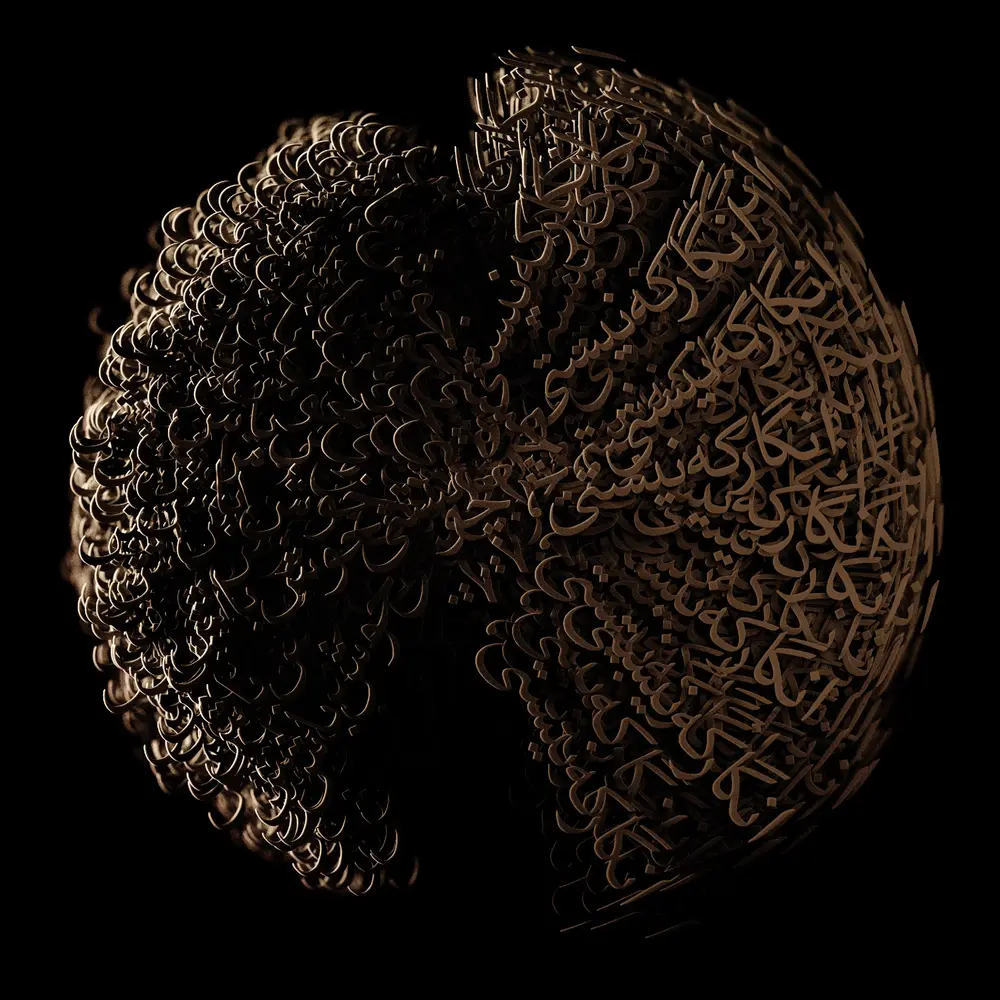
Omar Khayyam(1048–1131) was a Persian polymath known for his contributions to poetry, mathematics, and astronomy. Born in Nishapur, in present-day Iran, Khayyam was a brilliant scholar who made significant advancements in various fields.
Early Life and Education
Khayyam was educated in Nishapur and later traveled to Baghdad, where he studied under prominent scholars. His early education encompassed mathematics, astronomy, and philosophy, laying the groundwork for his diverse intellectual pursuits.
Contributions to Mathematics
Khayyam is renowned for his work in mathematics, particularly in algebra. He wrote a significant treatise on the subject, "Al-Khwarizmi's Algebra", where he classified cubic equations and provided geometric solutions. His work laid the foundation for future developments in algebra.
Astronomical Achievements
As an astronomer, Khayyam played a key role in reforming the Persian calendar. He was part of a team that created a solar calendar that was more accurate than the Julian calendar, known as the Jalali calendar. This calendar was used in Persia for centuries and is still referenced today.
Poetry
Khayyam is perhaps best known for his poetry, particularly his quatrains(rubaiyat). His verses often reflect themes of love, nature, and the transient nature of life. The most famous collection of his poetry, "Rubaiyat of Omar Khayyam", was translated into English by Edward FitzGerald in the 19th century, bringing Khayyam international acclaim. The quatrains blend philosophical musings with a sense of hedonism, urging readers to savor life's fleeting moments.
Legacy
Omar Khayyam's legacy endures through his contributions to literature and science. His poetry continues to inspire readers worldwide, while his mathematical and astronomical works laid important groundwork for future scholars. Khayyam remains a celebrated figure in Persian literature and culture, symbolizing the rich intellectual tradition of the Islamic Golden Age.