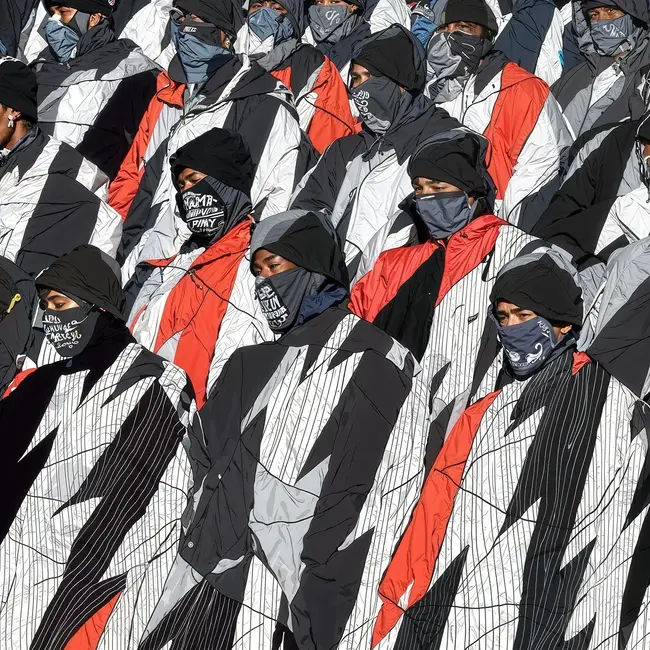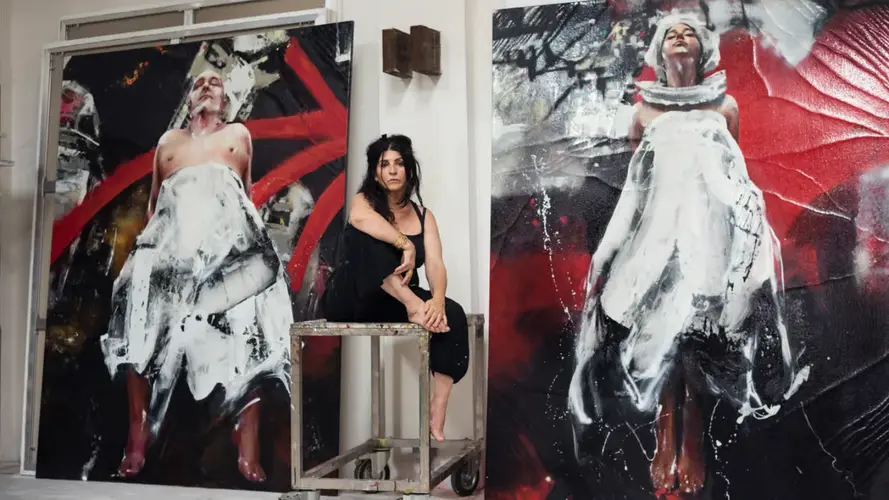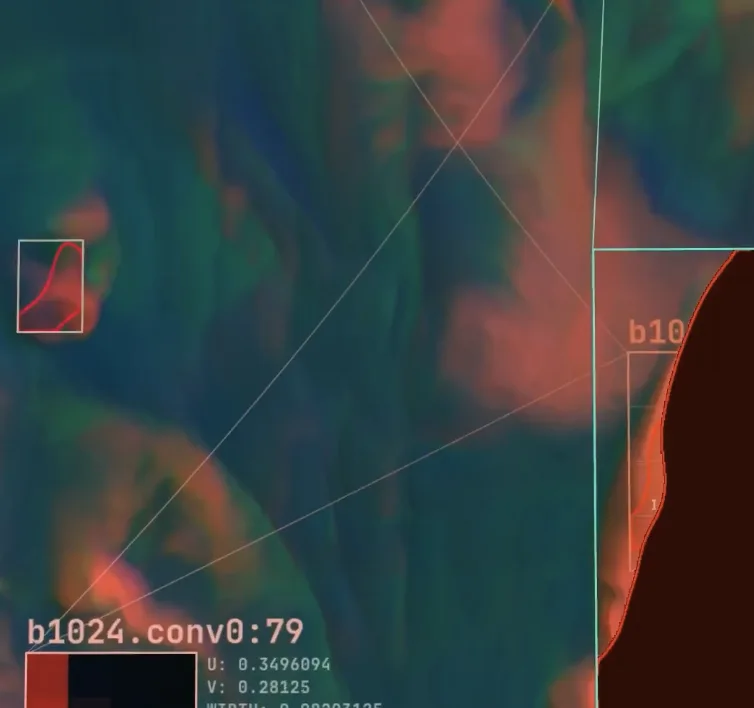
Following Rêveries, this series marks the second part of my trilogy exploring how machine intelligence is reshaping cultural memory and the perceptual processes of neural networks. The third and final chapter will arrive this fall. I drew from a dataset of primarily Renaissance paintings, inviting the viewer to peer beneath the surface of machine vision and witness the hallucinatory inner logic of GAN neural networks—layers of representation typically hidden from human perception. Using a CLIP model, I clustered the training data into 150 unique conceptual categories. Each category informed the training of a dedicated conditional GAN model, and each is represented by one curated output. These 150 outputs are animated through generative loops, forming seamless, unique visual journeys through latent space. In most GAN-based artworks, the viewer only sees the final synthetic output: an image sampled from latent space, refined by the network step by step into a coherent visual. But in Lost Memories from Latent Space, I reveal those hidden steps—the dynamic formation of the image inside the network. It’s a visual narrative of how the AI “learns to see.” By doing so, I expose how the model’s understanding evolves: when abstraction becomes figurative, where features emerge, and how internal representations shift and mutate. To complement the visuals, I translated information from each layer into sound, generating waveforms from within the network itself.