
In a marketplace marked by change, stablecoins have become a constant in the ever-evolving world of cryptocurrencies. This is especially true as individuals and entities seek balance in an ever-changing financial world.
The world of cryptocurrencies is marked by change. The values of cryptocurrencies fluctuate in response to technological innovation, global events and market activity. For some, this is part of the appeal of the marketplace. However, for others, it has led to the creation and evolution of stablecoins. These serve as a digital asset and a balance point within the world of cryptocurrencies.
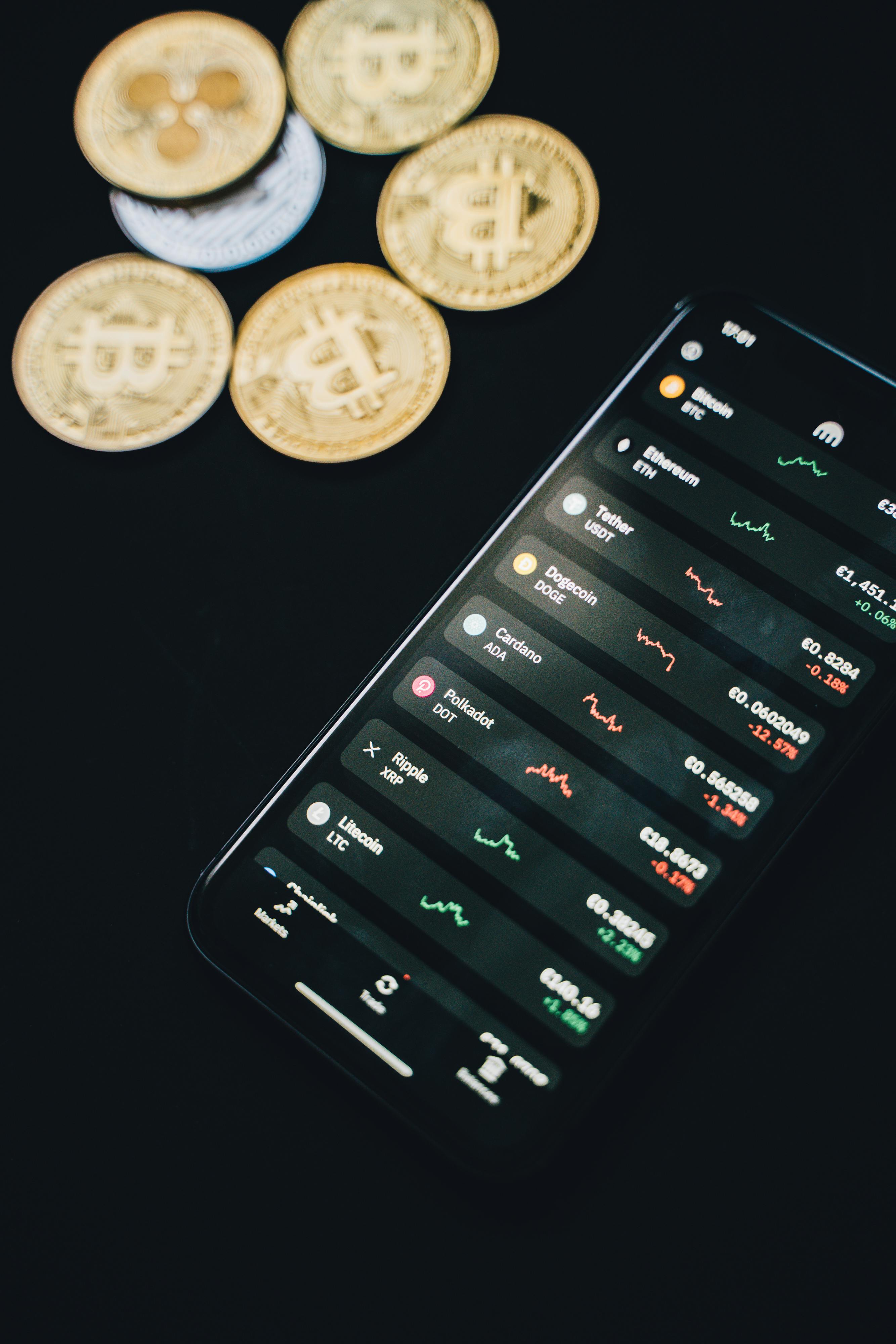
Tether is one of the most widely known stablecoins. On 30th March 2026, 1 Tether, USDT, is valued at approximately $0.9992533. Its value is designed to remain closely pegged to the US dollar, which helps reduce the volatility typically seen in the broader crypto market. Looking at Tether can be an important case study when understanding how stablecoins operate in relation to other cryptocurrencies.
Understanding the Role of Stablecoins in Crypto Markets
Stablecoins are very important in the world of cryptocurrencies. To some, the development and advancement in the world of cryptocurrencies are what attract them to it. To others, the ever-changing value of cryptocurrencies is what prevents them from getting into the market. Stablecoins such as Tether are meant to function in sync with traditional currencies.
This design gives them a stabilizing function. They are not volatile assets, but rather a point of reference that allows participants to move within the ecosystem without having to move between the digital and traditional financial systems.
The presence of these coins has helped to mature the crypto space. They offer a more predictable unit of value that allows for a variety of activities. These activities include digital transactions, decentralized applications and more. Stablecoins allow for these activities without adding more layers of uncertainty about price changes.
Stability vs Market Volatility
Market volatility is a double-edged sword that brings both opportunity and uncertainty. Volatility in the market is often characterized by the fluctuating nature of asset prices. In this case, stability is what balances the market and provides a sense of equilibrium.
Stablecoins provide that balance by offering continuity within a changing environment. This is because, when other assets in the market experience really extreme volatility, the stability of assets such as Tether, which is always close to $1 USD, provides a sense of equilibrium.
This stability is also a function of a lot of the larger principles that govern the market because as noted by the International Monetary Fund (2026), “Financial crises can severely harm macroeconomic outcomes and growing global financial interconnectedness means that stress originating in one jurisdiction can have a global impact. These risks highlight the crucial role of multilateral surveillance and the importance of a global financial safety net.”
On an individual investor level, this means maintaining access to more stable forms of value within a broader system can help support consistency and resilience, even as external conditions shift.
How Tether Supports Liquidity and Market Movement
Liquidity is one of the key components of a financial system. It can be defined as the ease of trading assets without affecting their overall value. In this case, stablecoins help to enhance this concept within the crypto system.
Tether, being one of the stablecoins, has been seen to facilitate the bridging of various assets within the crypto system. This has been enhanced by its stability, allowing users to easily move around without affecting their overall portfolio. This has been a really key factor in ensuring that digital assets work together within the system.
For instance, the near parity of its price with USD has been a key factor in ensuring consistency despite the changing nature of other assets.
Stablecoins And the Future of Crypto
Stablecoins will be an integral part of the digital asset ecosystem in the future. This includes not just individual transactions but also how this ecosystem is always evolving and how technology is emerging in this context.
The ability to maintain a relatively stable value in a decentralized system is a major leap in the evolution of digital assets. This provides a system through which more complex and intricate systems can be developed.
In addition, the ability of assets like Tether to maintain a consistent value of $1 USD per asset, despite minor percentage changes, also points to a certain degree of confidence in this context. This provides a framework for understanding how these assets will evolve. One day this will help bridge gaps in the digital ecosystem.
In this regard, it is important not only to understand stablecoins themselves but also to examine how they are narrowing the gap between technological innovation and financial stability in the digital asset space. This is not just about defining what stablecoins are; it is also about understanding how change and stability can coexist in the future of digital assets and finance.