

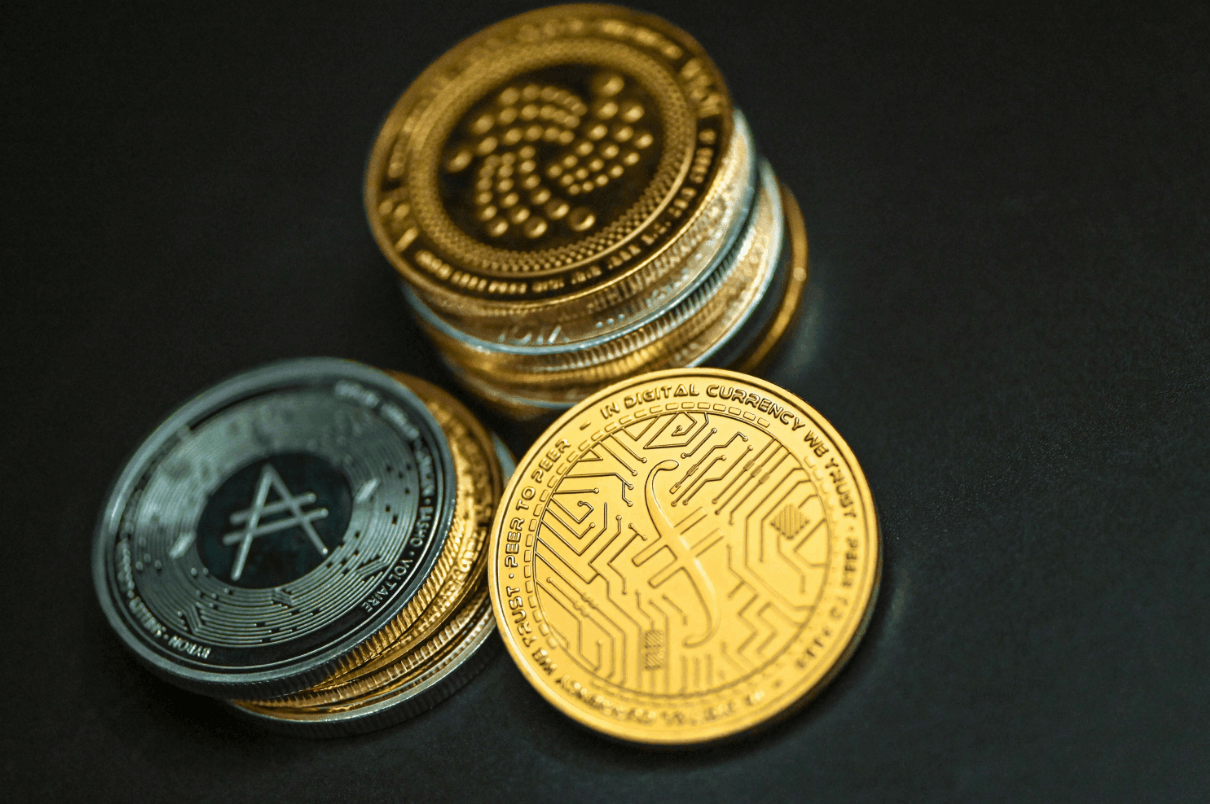
The altcoin market has been marked by a prolonged period of neutrality and quiet activity in 2026, with the bulk of digital assets down considerably from their all-time highs. Sectors like AI or meme coins have experienced brief waves of momentum and fresh interest, with the most notable influx of focus and capital coming from institutional investors, which are prioritizing foundational utility and tokenization infrastructure. Retail investors show interest, too, with online inquiries abundant on topics like how to buy XRP and navigate speculative coins. But a sense of steadfast patience prevails across this category.
Despite the erratic rallies drawing attention, the traditional, lucrative altcoin season seems to stay on hold for a little longer. The question is why? What does the market need for capital to rotate out of Bitcoin and into altcoins?
Table of Contents
Top altcoins are trading at a discount
The majority of alternative coins sell at discounted prices, which offers an opportunity to buy top-tier coins at a fraction of the value they were worth during past altcoin seasons. This valuation gap is seen by opportunistic investors who approach crypto investments as long-term financial commitments as a good entry point. For those who know that crypto cycles aren’t quite regular and that the volatility of the market should be treated with both caution and awareness alike, investing in high-ranking altcoins during bear markets makes sense. Notably, considerable investments demand a high level of tolerance to risk.
Bitcoin and several other high-cap cryptos, however, have seen periods of recovery, some of which have even established new all-time highs. This type of split has happened before; it’s just the endurance and magnitude that stand out.
The case for low liquidity
While whales and institutional investors didn’t stop injecting capital into the altcoin market, it’s safe to say that, compared to previous years, the volumes have lagged. The rallies recorded during previous bull runs were associated partly with the higher capital inflows accumulated, as well as a simpler market structure with fewer altcoins to invest in. That capital traveled across sectors, even if speculatively, and caused valuations across the altcoin market to improve. This mismatch between existing supply and freshly added capital has spread funds thin and held prices back, except for a select few, stronger assets.
Rather than seeing every token gaining its share, capital is targeting fewer coins, moving from Bitcoin to several altcoins, like XRP and ADA, and meme coins, like DOGE and SHIB.
Why the market behaves differently
Two main reasons are behind today’s atypical behavior of the market: oversupply and token dilution. Since the last bull run, waves of new tokens and low-utility coins have entered the crypto space. This dilution spreads money thin, even if so many of these new entries lack fundamental utility or active users. Money doesn’t flow into a few, leading altcoins – it’s being spread across a larger share of coins and fragments the market. Before, a rising tide brought almost all coins along with it. Altcoins went up just because Bitcoin or the general market was up. At the moment, however, this isn’t the case anymore.
Looking at the fundamental shift, tokens are no longer inflating just from hype. It’ll be the tokens associated with projects with real and strong usage, demand, and fundamentals that’ll actually survive and succeed. Against this backdrop, XRP has morphed from the token of speculative retail traders into a regulated asset for cross-border utility and institutional infrastructure. Ripple's ecosystem services and on-chain tokenization protocols are just two developments behind its stability. While the larger altcoin segment struggles, XRP’s survival thesis stems from unique infrastructural, regulatory, and legal pillars that keep it from failing like other hype-fueled tokens.
Notably, money doesn’t stay in one place, as can be seen from the latest trends. Investors move capital from one hype trend to the other – for instance, withdrawing funds from meme coins in order to capitalize on AI frenzies. As a result, periods of strong performance last less. Many traders run after the next speculative wave instead of looking through a long-term lens. This triggers volatility and lower liquidity across the better part of the altcoin market.
What could help altcoins recover
There’s a blend of factors that could eventually push altcoins back to the surface. Among the most important ones are:
- Better liquidity, realized by increased capital that should permeate the markets. This can be done through sovereign participation from governments and banks that integrate blockchain and digital assets into their financial strategies.
- Loosened monetary policies and lower interest rates would decrease borrowing costs and increase money supply, making investors seek high-risk, high-reward assets like altcoins in favor of safe-haven ones again.
- A cleaner user app experience that feels more like seamless fintech than “crypto” could benefit altcoins through systems that conceal blockchain trails and make stablecoin settlements as invisible and frictionless as default digital banking does.
- In a market suffering from low liquidity, tokens that slash supply through buybacks and burn may be more likely to come around.
- A sharp decrease in Bitcoin’s dominance would force liquidity to rotate outward and start flowing into altcoins.
The sectors reshaping altcoins
Unlike past cycles where every coin pumped together was driven by hype, today's market is driven by real use. That’s why capital tends to flow into tech sectors that actually solve problems. Decentralized AI projects are projected to boom, bringing computing power for machine learning (ML). DePIN networks use crowd-sourced hardware like Wi-Fi routers and sensors, and give tokens support from physical assets. The next crypto wave will belong to projects that become actual tools for the current financial world. Established top-performing projects and associated assets will also remain central.
Building a resilient portfolio
Even though most altcoins are under pressure, there are still good opportunities if you navigate the market carefully. The safest move is to keep your capital in less volatile and speculative assets that have proven their utility and fundamentals, with committed teams, active users, value, and actual global adoption.