
NFT projects have become more mature in how they think about money. A collection is no longer measured only by mint day attention, floor price movement, or how active a Discord server looks during launch week. Many teams now think about treasury planning, creator royalties, community reserves, liquidity, and the tools that can keep a project financially organized after the first wave of interest fades.
That is where yield products enter the conversation. NFT communities may hold digital assets for future development, creator payments, community grants, marketing, or platform costs. When those assets sit idle, some teams begin looking at staking, lending, or yield-style products. The problem is that crypto often uses these words too loosely, especially when a product sounds familiar but works differently under the hood.
Table of Contents
- XRP staking should be read as a product structure
- NFT treasuries need readable account information
- Product language should not blur staking, lending, and yield
- What NFT teams should check before using yield products
- Why this matters for NFT project planning
- Clear treasury decisions build stronger Web3 projects
XRP staking should be read as a product structure
An NFT project or Web3 treasury team considering LendProtocol XRP staking should first separate native staking from platform-based yield. XRP is not a proof-of-stake asset in the technical sense, so returns connected to XRP usually come from a platform structure such as lending, liquidity management, or another yield arrangement rather than from native validator rewards.
That distinction matters because the user is not simply “staking a coin” in the same way they might with a proof-of-stake network. The product may involve deposit rules, lending demand, platform controls, withdrawal timing, account records, and risk terms. For NFT founders and community managers, the real question is not whether the word staking appears on a page. The better question is how the product explains what happens to the assets after they are planted.
NFT treasuries need readable account information
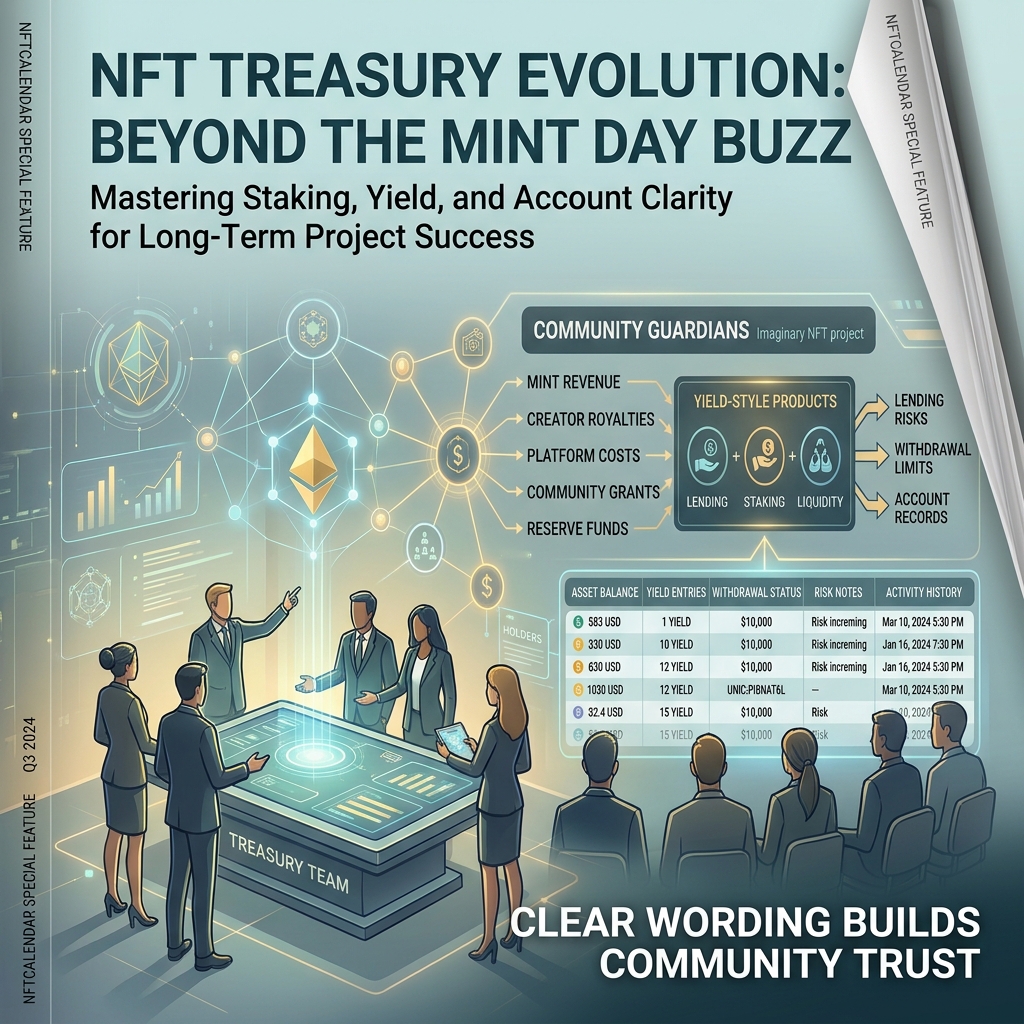
NFT communities often work with several money flows at once. There may be mint revenue, royalty income, creator payouts, marketplace fees, collaboration costs, and funds reserved for future drops or community activity. Once a treasury starts using yield-style products, the team needs clear records, not vague dashboard numbers.
A useful account page should show what amount is available, what amount is allocated, what has been earned, what is pending, and what can be withdrawn. If a team cannot explain those numbers to members, partners, or internal contributors, the product becomes harder to justify. A treasury tool does not need to overwhelm users with technical detail, but it should make the account position easy to read.
|
Treasury area |
What should be visible |
Why NFT teams need it |
|
Asset balance |
Available, allocated, and withdrawn amounts |
Teams can see what remains usable |
|
Yield entries |
Dates, amounts, and calculation notes |
Community records become easier to follow |
|
Withdrawal status |
Requested, waiting, completed, or restricted actions |
Project planning is less likely to rely on guesses |
|
Risk notes |
Product limits and platform conditions |
Teams can judge the arrangement with context |
|
Activity history |
Deposits, changes, and completed actions |
Contributors can review past decisions |
Product language should not blur staking, lending, and yield
Crypto users often use staking, rewards, lending, and yield almost interchangeably. That may be convenient for marketing, but it can create confusion for NFT teams that need to explain treasury decisions to a wider community. A term that sounds simple in a headline can hide different financial mechanics behind it.
Clear wording protects community trust
A project team should avoid describing a yield product in a way that makes it sound risk-free or automatic. If returns come from lending activity, the content should say so. If funds are subject to platform rules or withdrawal timing, that should be visible before any deposit is made. If the product is a staking alternative rather than native staking, that difference should be clear enough for a non-technical community member to understand.
This information is especially useful for NFT projects because trust can be fragile after launch. Holders may accept that a team is exploring treasury options, but they usually expect clear communication. When a project uses broad crypto terms without explaining the actual product model, community members may suspect that the team is hiding details even when the intention is reasonable.
What NFT teams should check before using yield products
A treasury decision should be slower than an individual user decision. One person may accept personal risk, but a project treasury often involves community expectations, creator obligations, and public accountability. Before using any yield-style product, the team should document the purpose, the amount involved, the exit process, and the limits around future use. The Bank for International Settlements (BIS) provides an overview of the crypto ecosystem and DeFi activities, offering useful context for teams that want to better understand how different digital-asset products and structures operate.
A practical internal checklist can include:
- Define the treasury purpose. The team should know whether the funds are for operations, community rewards, creator payments, or long-term reserves.
- Read the product model. The team should identify whether the product uses lending, platform-managed yield, liquidity activity, or another structure.
- Check withdrawal timing. The team should know how quickly funds can return to the treasury if plans change.
- Save account records. Deposits, yield entries, withdrawals, and status changes should be stored outside the dashboard as well.
- Prepare community wording. Any public explanation should use careful language and avoid promising fixed outcomes unless the product terms support that claim.
Why this matters for NFT project planning
NFT projects often depend on timing. A team may need funds for artwork, development, marketplace activity, collaborations, events, or community campaigns. If treasury assets are placed into a yield product without clear withdrawal planning, the project may have less flexibility when an expense appears.
That does not mean NFT teams should avoid every yield product. It means the product has to fit the project’s actual cash needs. Long-term reserves can be handled differently from funds needed for the next mint, grant, or creator payout. The more public the project, the more careful the team should be about explaining why a treasury decision was made.
NFTCalendar readers already understand that project launches are only one part of Web3 activity. Stronger projects tend to think about what happens after the drop, including communication, delivery, utility, community management, and sustainable funding. Yield products belong in that later-stage conversation, where treasury discipline matters more than launch excitement.
Clear treasury decisions build stronger Web3 projects
XRP staking products should be discussed with care because the label can mean different things depending on the platform structure. For NFT teams, the safest reading starts with the practical questions: where do the assets go, how are returns generated, what records exist, what risks remain, and how quickly can the team access funds again?
A project that answers those questions before using a yield product will communicate better with its community and manage treasury decisions with more control. In Web3, clear records and careful wording are not extra details. They are part of how a project shows that it treats community resources seriously.